Celebrating Women’s History Month
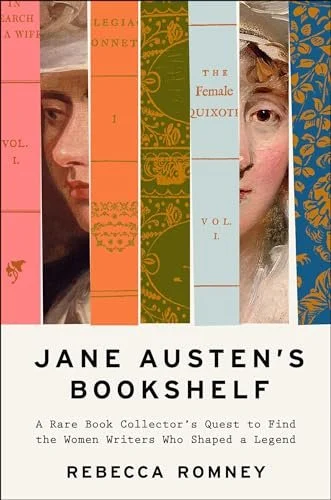
Jane Austen’s Bookshelf by Rebecca Romney
Long before she was a rare book dealer, Rebecca Romney was a devoted reader of Jane Austen. She loved that Austen’s books took the lives of women seriously, explored relationships with wit and confidence, and always, allowed for the possibility of a happy ending. She read and reread them, often wishing Austen wrote just one more.
But Austen wasn’t a lone genius. She wrote at a time of great experimentation for women writers—and clues about those women, and the exceptional books they wrote, are sprinkled like breadcrumbs throughout Austen’s work. Every character in Northanger Abbey who isn’t a boor sings the praises of Ann Radcliffe. The play that causes such a stir in Mansfield Park is a real one by the playwright Elizabeth Inchbald. In fact, the phrase “pride and prejudice” came from Frances Burney’s second novel Cecilia. The women that populated Jane Austen’s bookshelf profoundly influenced her work; Austen looked up to them, passionately discussed their books with her friends, and used an appreciation of their books as a litmus test for whether someone had good taste. So where had these women gone? Why hadn’t Romney—despite her training—ever read them? Or, in some cases, even heard of them? And why were they no longer embraced as part of the wider literary canon?
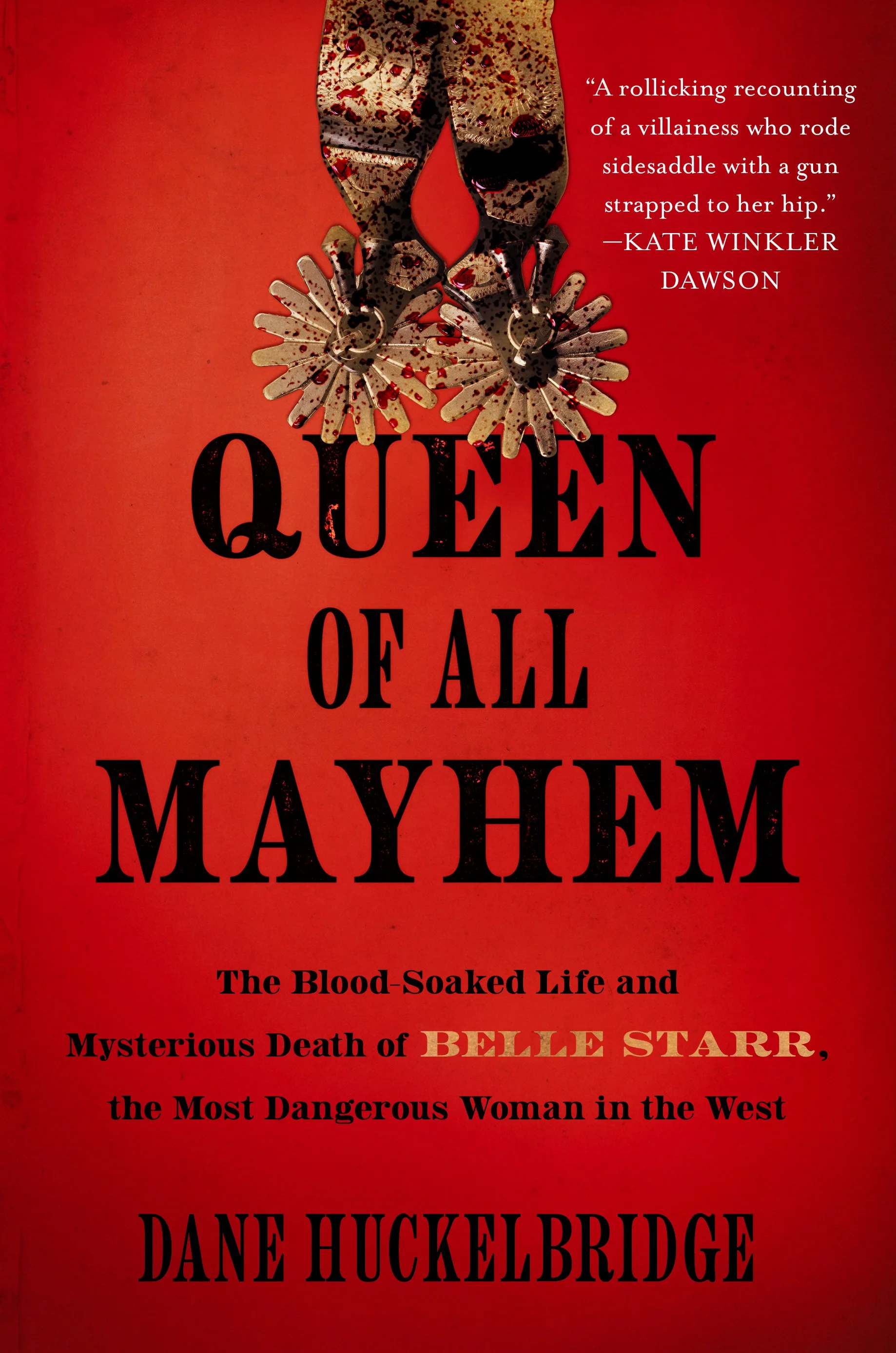
Queen of All Mayhem by Dane Huckelbridge
On February 3, 1889, just two days shy of her forty-first birthday, Myra Maybelle Shirley—better known at that point by her outlaw sobriquet “Belle Starr”—was blown from her horse saddle and killed by a pair of shotgun blasts, delivered by an unseen assailant, only a few miles away from her home in the Indian Territory of present-day Oklahoma. Thus ended the life of one of the most colorful, authentic, and dangerous women in the history of the American West.
While today’s household names like Annie Oakley and Calamity Jane had dubious criminal bona fides, Belle’s were not in any doubt. She led a gang of horse thieves (a very serious crime in an era when horses were often the basis of one’s livelihood); was romantically involved with two of the West’s most legendary outlaws, Cole Younger and Jim Reed (her first husband); and participated in stickups and robberies across present-day Texas and Oklahoma. When Reed was murdered, Belle crossed into Indian Territory, where she assimilated into the Cherokee tribe, a matrilineal society, and soon married Sam Starr, a direct descendant of Nanye’hi, the greatest female warrior in Cherokee history.
Dane Huckelbridge, acclaimed author of No Beast So Fierce, probes a life rich in contradictions and intrigue. Why did a woman who had considerable advantages in life—a good family, a decent education, solid marriage prospects, a clear path to financial security—choose to pursue a life of crime? The life of Belle Starr is one of almost endless trauma: the horrors of the Civil War, which destroyed her hometown and killed her beloved brother, Bud; the untimely deaths of her first two husbands, both of them murdered; a stint in Detroit’s notorious women’s prison. Her career coincided with those of Susan B. Anthony and Elizabeth Cady Stanton, and yet Belle Starr was a very different sort of feminist icon.
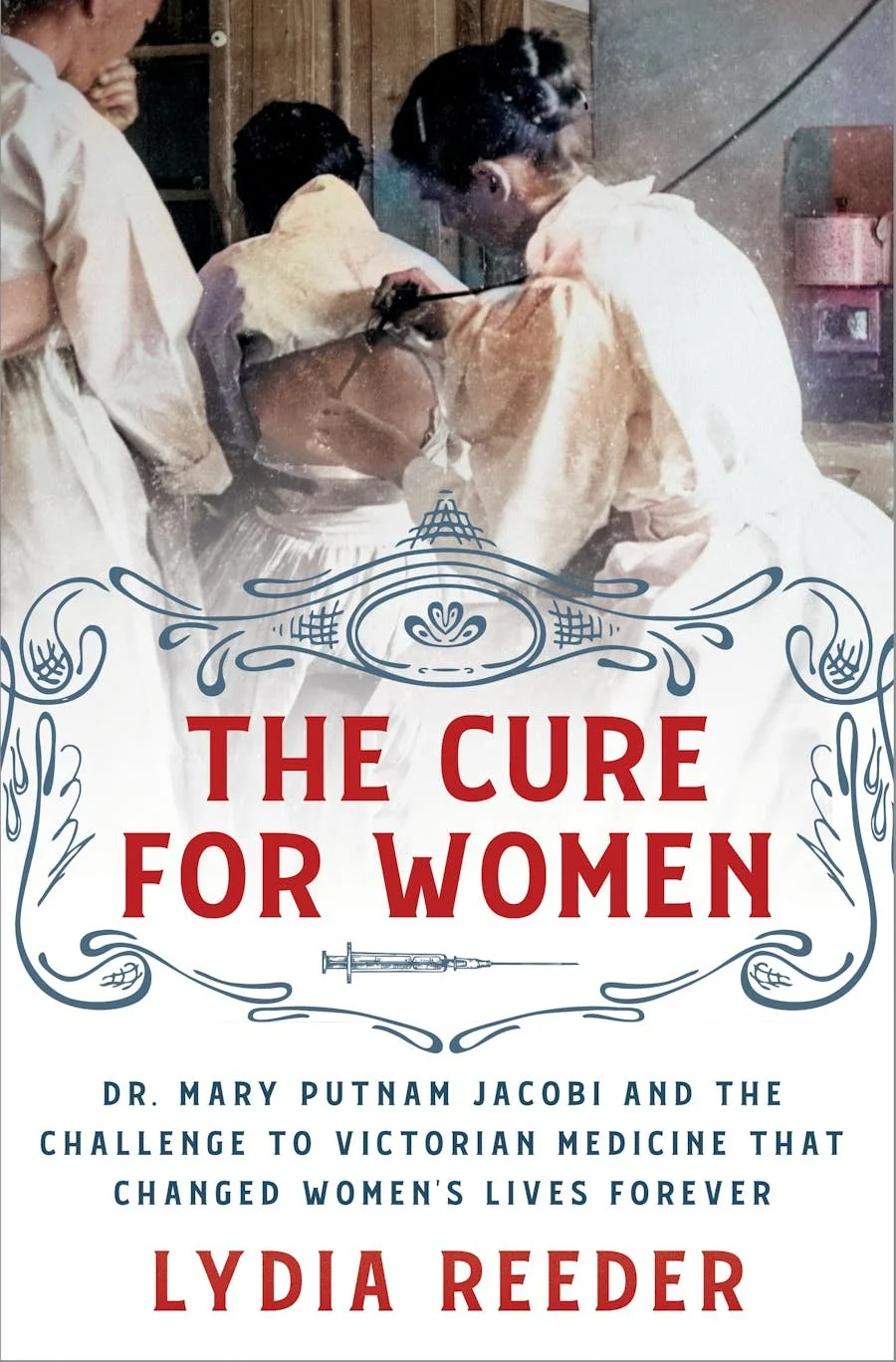
The Cure for Women by Lydia Reeder
After Elizabeth Blackwell became the first woman to graduate from medical school, more women demanded a chance to study medicine. Barred entrance to universities like Harvard, women built their own first-rate medical schools and hospitals. Their success spurred a chilling backlash from elite, white male physicians who were obsessed with eugenics and the propagation of the white race. Distorting Darwin’s evolution theory, these haughty physicians proclaimed in bestselling books that women should never be allowed to attend college or enter a profession because their menstrual cycles made them perpetually sick. Motherhood was their constitution and duty.
Into the midst of this turmoil marched tiny, dynamic Mary Putnam Jacobi, daughter of New York publisher George Palmer Putnam and the first woman to be accepted into the world-renowned Sorbonne medical school in Paris. As one of the best-educated doctors in the world, she returned to New York for the fight of her life. Aided by other prominent women physicians and suffragists, Jacobi conducted the first-ever data-backed, scientific research on women's reproductive biology. The results of her studies shook the foundations of medical science and higher education. Full of larger than life characters and cinematically written, The Cure for Women documents the birth of a sexist science still haunting us today as the fight for control of women’s bodies and lives continues.
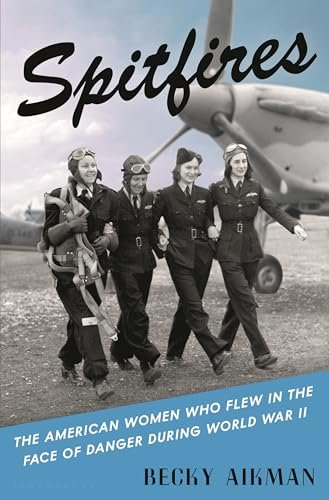
Spitfires by Becky Aikman
They were crop dusters and debutantes, college girls and performers in flying circuses-all of them trained as pilots. Because they were women, they were denied the opportunity to fly for their country when the United States entered the Second World War. But Great Britain, desperately fighting for survival, would let anyone-even Americans, even women-transport warplanes. Thus, twenty-five daring young aviators bolted for England in 1942, becoming the first American women to command military aircraft.
In a faraway land, these “spitfires” lived like women decades ahead of their time. Risking their lives in one of the deadliest jobs of the war, they ferried new, barely tested fighters and bombers to air bases and returned shot-up wrecks for repair, never knowing what might go wrong until they were high in the sky. Many ferry pilots died in crashes or made spectacular saves. It was exciting, often terrifying work. The pilots broke new ground off duty as well, shocking their hosts with thoroughly modern behavior.
With cinematic sweep, Becky Aikman follows the stories of nine of the women who served, drawing on unpublished diaries, letters, and records, along with her own interviews, to bring these forgotten heroines fully to life. Spitfires is a vivid, richly detailed account of war, ambition, and a group of remarkable women whose lives were as unconventional as their dreams.
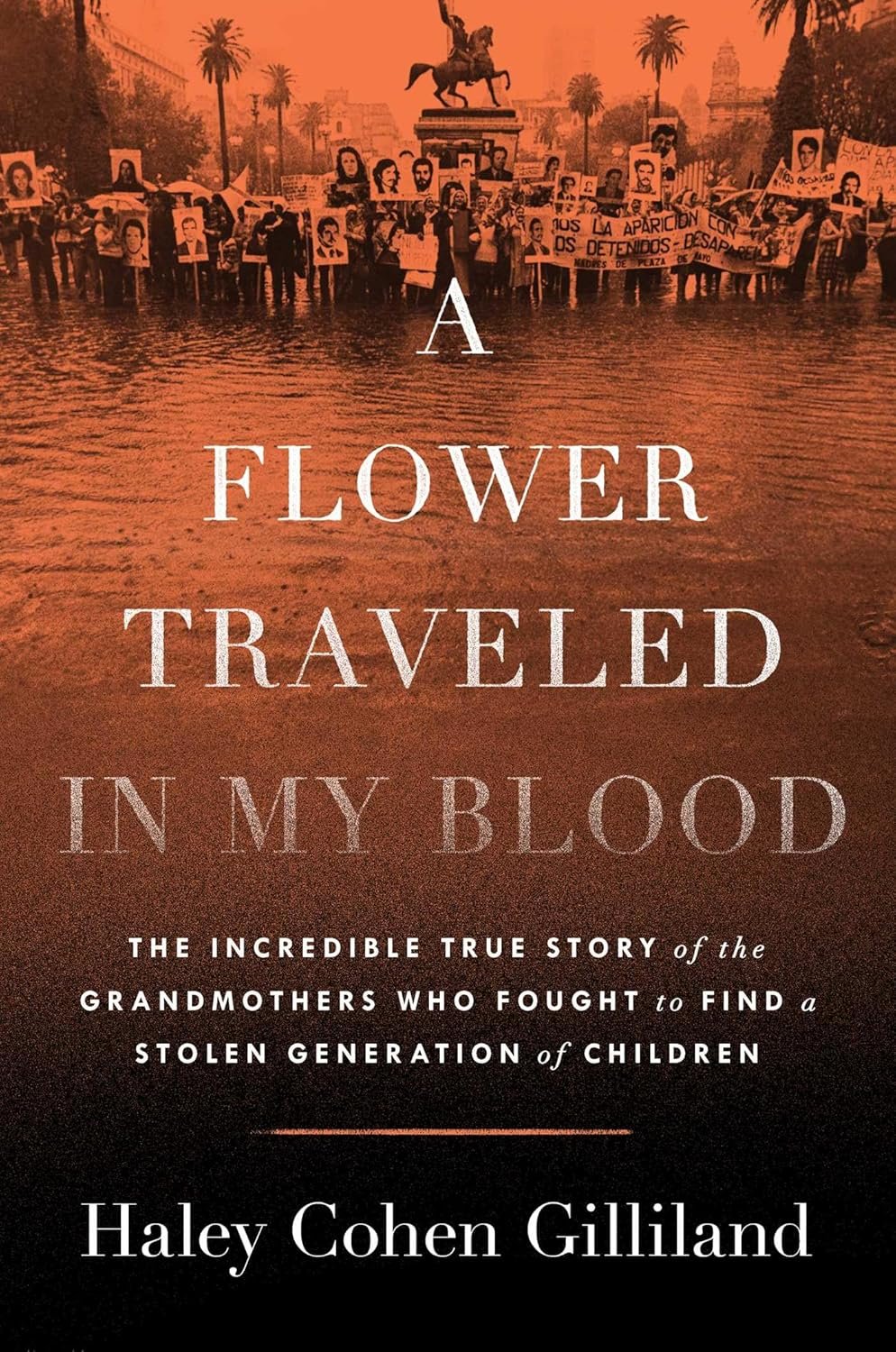
A Flower Traveled in My Blood by Haley Cohen Gilliland
In the early hours of March 24th, 1976, the streets of Buenos Aires rumbled with tanks as soldiers seized the presidential palace, overthrowing Argentina’s leader. To many, it seemed like just another coup in a continent troubled by them, amid political violence and Cold War tensions. But there was something darker about this new regime. Quietly supported by the United States and much of Argentina itself, which was sick of constant bombings and gunfights, the junta quickly launched the “National Reorganization Process” or El Proceso—a bland name masking their ruthless campaign to crush the political left and instill the country with “Western, Christian” values. The dictatorship, which continued until 1983, decimated a generation.
One of the military’s most diabolical acts was the disappearance of hundreds of pregnant women. Patricia Roisinblit was among them, a mother and leftist revolutionary labeled “subversive” and abducted while eight months pregnant with her second child. Patricia gave birth in captivity, making one last call to her mother, Rosa, before vanishing. Her newborn son was also taken, one of hundreds given to police, military families, and dictatorship supporters, while their biological parents were secretly executed and their bodies disposed of. For Rosa and the other mothers in her same situation, the loss was unimaginable; their only solace was the hope that their grandchildren were still alive. United by this faith, a group of fierce grandmothers formed the Abuelas de Plaza de Mayo, dedicated to finding the stolen children and seeking justice from a nation that betrayed them.
A Flower Traveled in My Blood is Rosa and the Abuelas’ extraordinary story, told by a journalist with unique access. With authority and compassion, Haley Cohen Gilliland brings this tale to life, tracing the lives of Patricia, Rosa, and her stolen grandson, Guillermo. As the Abuelas transform into detectives, they confront military officers, sift through government documents, assume aliases to see suspected grandchildren, and even pioneer a groundbreaking genetics test with an American scientist.
How to Kill A Witch by Zoe Venditozzi and Claire Mitchell
Scotland, 1563: Crops failed. People starved. And the Devil's influence was stronger than ever—at least, that's what everyone believed. If you were a woman living in Scotland during this turbulent time, there was a very good chance that you, or someone you knew, would be tried as a witch.
During the chaos of the Reformation, violence against women was codified for the first time in the Witchcraft Act—a tool of theocratic control with one chilling to root out witches and rid the land of evil. What followed was a dark and misogynistic chapter in history that fanned the flames of witch hunts across the globe, including in the United States and beyond.
In How to Kill a Witch, Zoe Venditozzi and Claire Mitchell, hosts of the popular Witches of Scotlandpodcast, unravel the grim yet absurdly bureaucratic process of identifying, accusing, trying, and executing women as witches. With sharp wit and keen feminist insight, they reveal the inner workings of a patriarchal system designed to weaponize fear and oppress women.
This captivating (and often infuriating) account, which weaves a rich tapestry of trial transcripts, witness accounts, and the documents that set the legal grounds for the witch hunts, exposes how this violent period of history mirrors today's struggles for justice and equality. How to Kill a Witch is a powerful, darkly humorous reminder of the dangers of superstition, bias, and ignorance, and a warning to never forget the past… while raising the question of whether it could ever happen again.
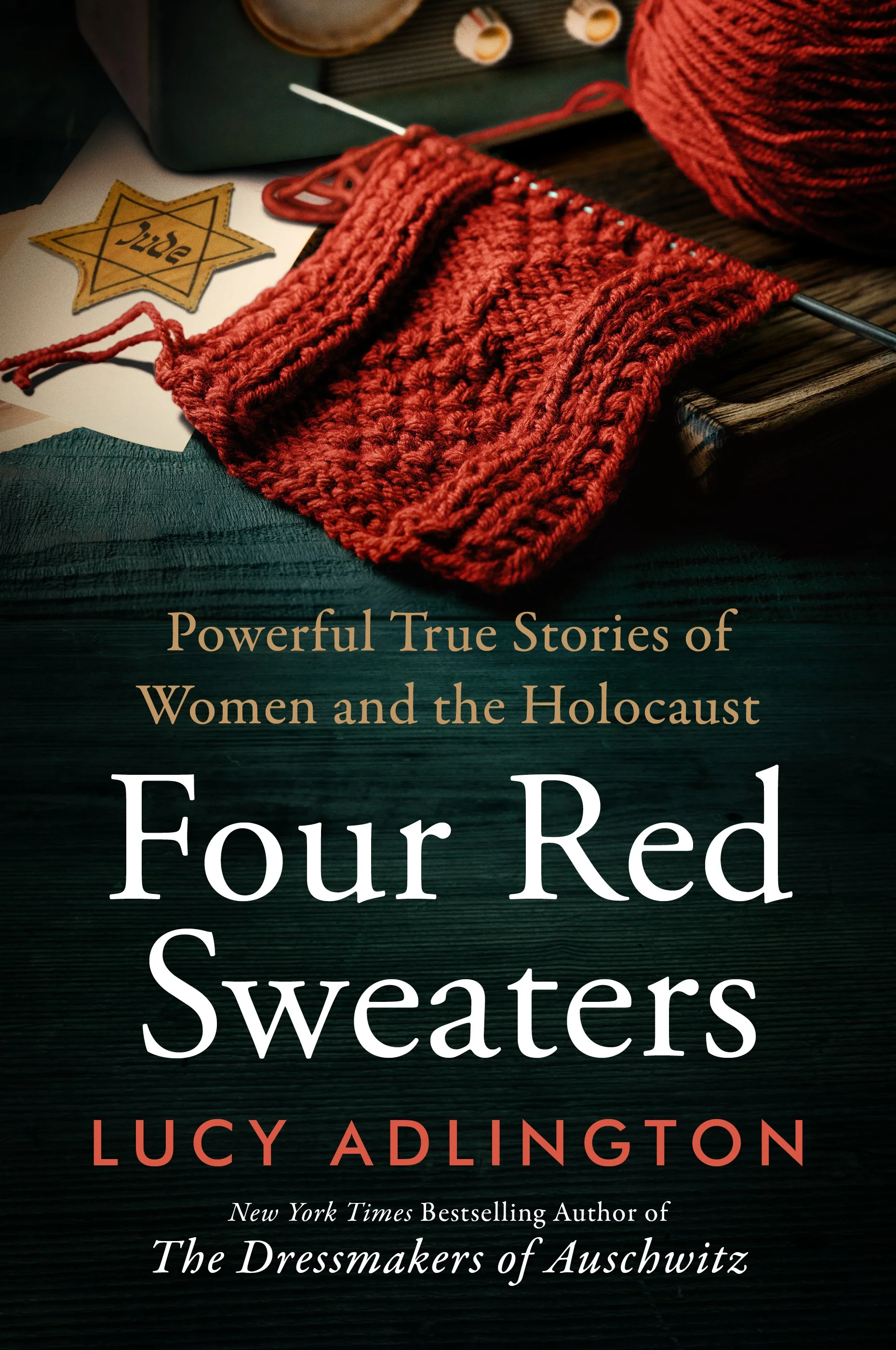
Four Red Sweaters by Lucy Adlington
Jock Heidenstein, Anita Lasker, Chana Zumerkorn, and Regina Feldman all faced the Holocaust in different ways. While they did not know each other—in fact had never met—each had a red sweater that would play a major part in their lives. In this absorbing and deeply moving account, award-winning clothes historian Lucy Adlington documents their stories, knitting together the experiences that fragmented their families and their lives.
Adlington immortalizes these young women whose resilience, skills, strength, and kindness accompanied them through the darkest events in human history. A powerful reminder of the suffering they endured and a celebration of courage, love, and tenacity, this moving and original work illuminates moments long lost to history, now pieced back together by a simple garment.
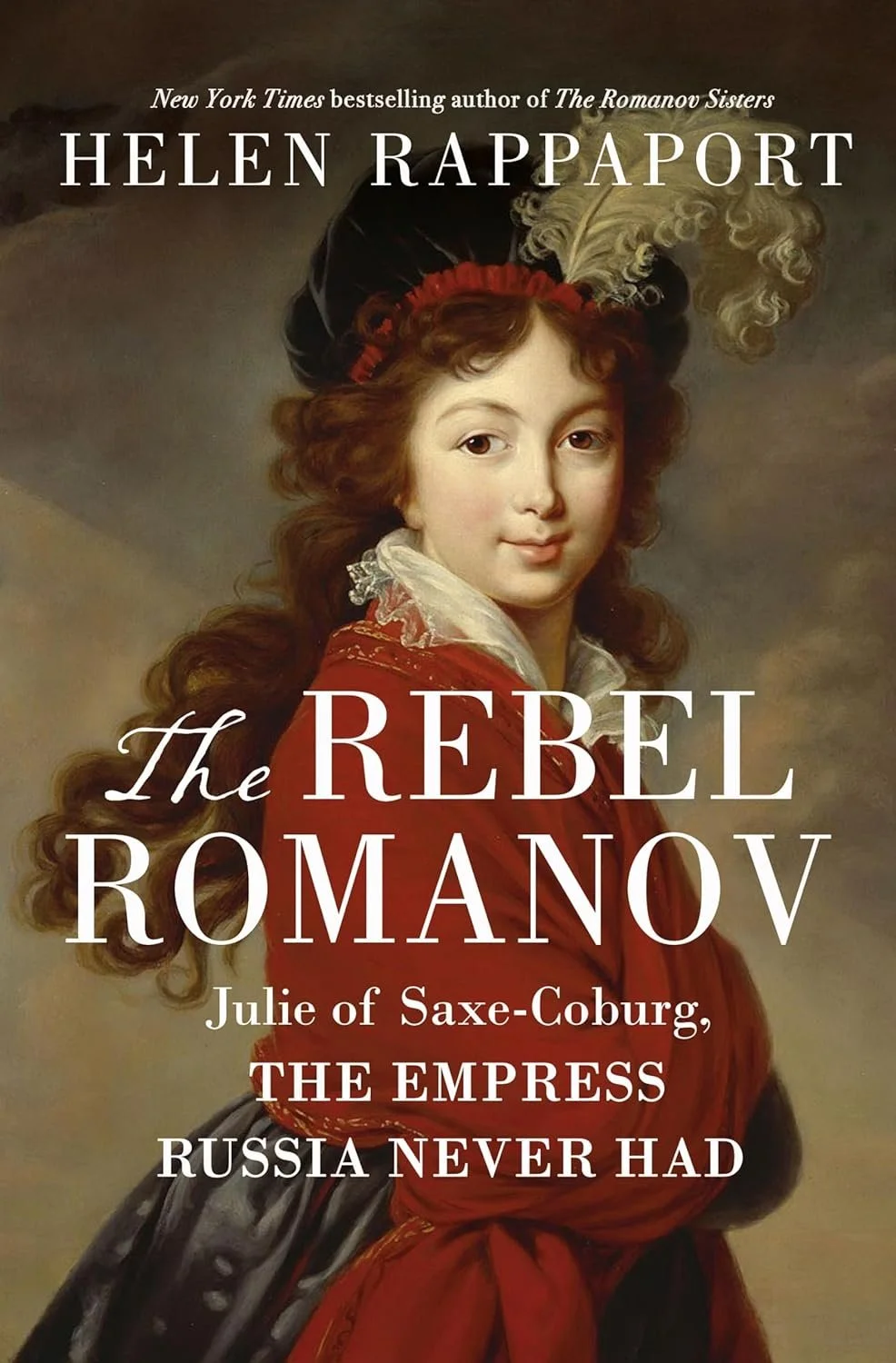
The Rebel Romanov by Helen Rappaport
In 1795, Catherine the Great of Russia was in search of a bride for her grandson Constantine, who stood third in line to her throne. In an eerie echo of her own story, Catherine selected an innocent young German princess, Julie of Saxe-Coburg, aunt of the future Queen Victoria. Though Julie had everything a young bride could wish for, she was alone in a court dominated by an aging empress and riven with rivalries, plotting, and gossip―not to mention her brute of a husband, who was tender one moment and violent the next. She longed to leave Russia and her disastrous marriage, but her family in Germany refused to allow her to do so.
Desperate for love, Julie allegedly sought consolation in the arms of others. Finally, Tsar Alexander granted her permission to leave in 1801, even though her husband was now heir to the throne. Rootless in Europe, Julie gave birth to two―possibly three―illegitimate children, all of whom she was forced to give up for adoption. Despite entreaties from Constantine to return and provide an heir, she refused, eventually finding love with her own married physician.
At a time when many royal brides meekly submitted to disastrous marriages, Julie proved to be a woman ahead of her time, sacrificing her reputation and a life of luxury in exchange for the freedom to live as she wished. The Rebel Romanov is the inspiring tale of a bold woman who, until now, has been ignored by history.
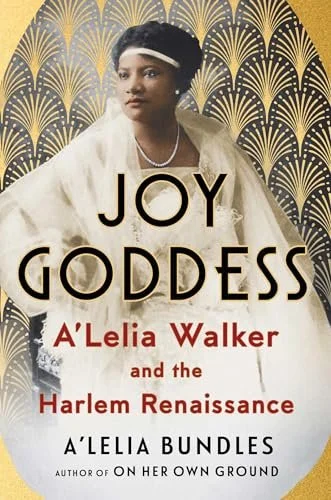
Joy Goddess by A’Lelia Bundles
Dubbed the “joy goddess of Harlem’s 1920s” by poet Langston Hughes, A’Lelia Walker, daughter of millionaire entrepreneur Madam C.J. Walker and the author’s great-grandmother and namesake, is a fascinating figure whose legendary parties and Dark Tower salon helped define the Harlem Renaissance.
After inheriting her mother’s hair care enterprise, A’Lelia would become America’s first high profile black heiress and a prominent patron of the arts. Joy Goddess takes readers inside her three New York homes—a mansion, a townhouse, and a pied-a-terre—where she entertained Langston Hughes, Zora Neale Hurston, Paul Robeson, Florence Mills, James Weldon Johnson, Carl Van Vechten, W.E.B. DuBois, and other cultural, social and intellectual luminaries of the Roaring Twenties.
Now, based on extensive research and Walker’s personal correspondence, her great-granddaughter creates a meticulous, nuanced portrait of a charismatic woman struggling to define herself as a wife, mother, and businesswoman outside her famous mother’s sphere. In Joy Goddess, A’Lelia’s radiant personality and impresario instincts—at the center of a vast, artistic social world where she flourished as a fashion trendsetter and international traveler—are brought to vivid and unforgettable life.
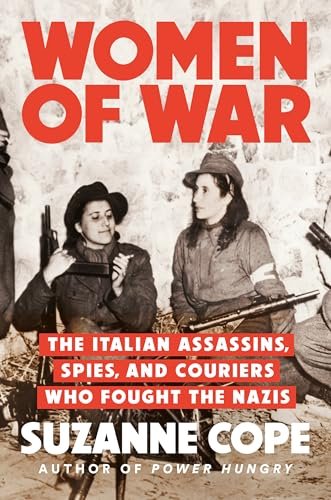
Women of War by Suzanne Cope
From underground soldiers to intrepid spies, Women of War unearths the hidden history of the brave women who risked their lives to overthrow the Nazi occupation and liberate Italy. Using primary sources and brand new scholarship, historian Suzanne Cope illuminates the roles played by women while Italians struggled under dual Nazi invaders and Italian fascist loyalists.
Cope’s research and storytelling introduces four brave and resourceful women who risked everything to overthrow the Nazi occupation and pry their future from the fascist grasp. We meet Carla Capponi in Rome, where she made bombs in an underground bunker then ferried them to their deadly destination wearing lipstick and a trenchcoat; and Bianca Guidetti Serra who rode her bicycle up switchbacks in the Alps, dodging bullets while delivering bags of clandestine newspapers and munitions to the anti-fascist armies hidden in the mountains. In Florence, the young future author of Italy’s new constitution, Teresa Mattei, carried secret messages and hid bombs; while Anita Malavasi led troops across the Apennine Mountains. Women of War brings their experiences as underground resistance fighters, partisan combatants, spies, and saboteurs to life.
Essential and original, Women of War offers not only a reexamination of the elision of women from vital WWII history but also a valuable perspective on the ongoing fight for gender equality and social justice. After all, these were the women who launched a feminist movement as they fought for the future of their country, and what that could mean for its women, all while under Nazi and fascist fire.
Sisters in Science by Olivia Campbell
In the 1930s, Germany was a hotbed of scientific thought. But after the Nazis took power, Jewish and female citizens were forced out of their academic positions. Hedwig Kohn, Lise Meitner, Hertha Sponer, and Hildegard Stücklen were eminent in their fields, but they had no choice but to flee due to their Jewish ancestry or anti-Nazi sentiments.
Their harrowing journey out of Germany became a life-and-death situation that required Herculean efforts of friends and other prominent scientists. Lise fled to Sweden, where she made a groundbreaking discovery in nuclear physics, and the others fled to the United States, where they brought advanced physics to American universities. No matter their destination, each woman revolutionized the field of physics when all odds were stacked against them, galvanizing young women to do the same.
Well-researched and written with cinematic prose, Sisters in Science brings these trailblazing women to life and shows us how sisterhood and scientific curiosity can transcend borders and persist—flourish, even—in the face of seemingly insurmountable odds.
The Blood Countess by Shelley Puhak
There have long been whispers, coming from the castle; from the village square; from the dark woods. The great lady-a countess, from one of Europe's oldest families-is a vicious killer. Some even say she bathes in the blood of her victims. When the king's men force their way into her manor house, she has blood on her hands, caught in the act of murdering yet another of her maids. She is walled up in a tower and never seen again, except in the uppermost barred window, where she broods over the countryside, cursing all those who dared speak up against her.
Told and retold in many languages, the legend of the Blood Countess has consumed cultural imaginations around the world. But despite claims that Elizabeth Bathory tortured and killed as many as 650 girls, some have wondered if the Countess was herself a victim- of one of the most successful disinformation campaigns known to history. So, was Elizabeth Bathory a monster, a victim, or a bit of both? With the breathlessness of a whodunit, drawing upon new archival evidence and questioning old assumptions, Shelley Puhak traces the Countess's downfall, bringing to life an assertive woman leader in a world sliding into anti-scientific, reactionary darkness-a world where nothing is ever as it seems. In this exhilarating narrative, Puhak renders a vivid portrait of history's most dangerous woman and her tumultuous time, revealing just how far we will go to destroy a woman in power.
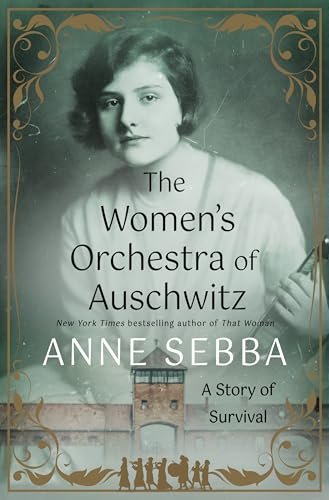
The Women’s Orchestra of Aushwitz by Anne Sebba
In 1943, German SS officers in charge of Auschwitz-Birkenau ordered that an orchestra be formed among the female prisoners. Almost fifty women and girls from eleven nations were drafted into a band that would play in all weathers marching music to other inmates, forced laborers who left each morning and returned, exhausted and often broken, at the end of the day. While still living amid the harshest of circumstances, with little more than a bowl of soup to eat, they were also made to give weekly concerts for Nazi officers, and individual members were sometimes summoned to give solo performances. For almost all of the musicians chosen to take part, being in the orchestra saved their lives. But at what cost?
What role could music play in a death camp? What was the effect on those women who owed their survival to their participation in a Nazi propaganda project? And how did it feel to be forced to provide solace to the perpetrators of a genocide that claimed the lives of their family and friends? In The Women's Orchestra of Auschwitz, award-winning historian Anne Sebba traces these tangled questions of deep moral complexity with sensitivity and care.
From Alma Rosé, the orchestra's main conductor, niece of Gustav Mahler and a formidable pre-war celebrity violinist, to Anita Lasker-Wallfisch, its teenage cellist and last surviving member, Sebba draws on meticulous archival research and exclusive first-hand accounts to tell the full and astonishing story of the orchestra, its members, and the response of other prisoners for the first time.
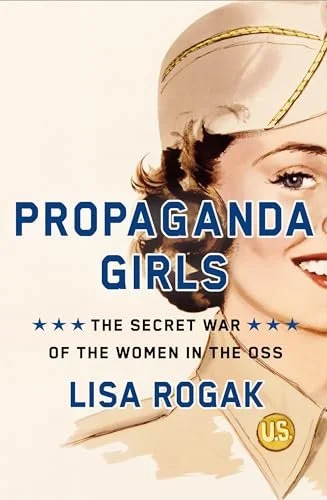
Propaganda Girls by Lisa Rogak
Betty MacDonald was a 28-year-old reporter from Hawaii. Zuzka Lauwers grew up in a tiny Czechoslovakian village and knew five languages by the time she was 21. Jane Smith-Hutton was the wife of a naval attaché living in Tokyo. Marlene Dietrich, the German-American actress and singer, was of course one of the biggest stars of the 20th century. These four women, each fascinating in her own right, together contributed to one of the most covert and successful military campaigns in WWII.
As members of the OSS, their task was to create a secret brand of propaganda produced with the sole aim to break the morale of Axis soldiers. Working in the European theater, across enemy lines in occupied China, and in Washington, D.C., Betty, Zuzka, Jane, and Marlene forged letters and “official” military orders, wrote and produced entire newspapers, scripted radio broadcasts and songs, and even developed rumors for undercover spies and double agents to spread to the enemy. And outside of a small group of spies, no one knew they existed. Until now.
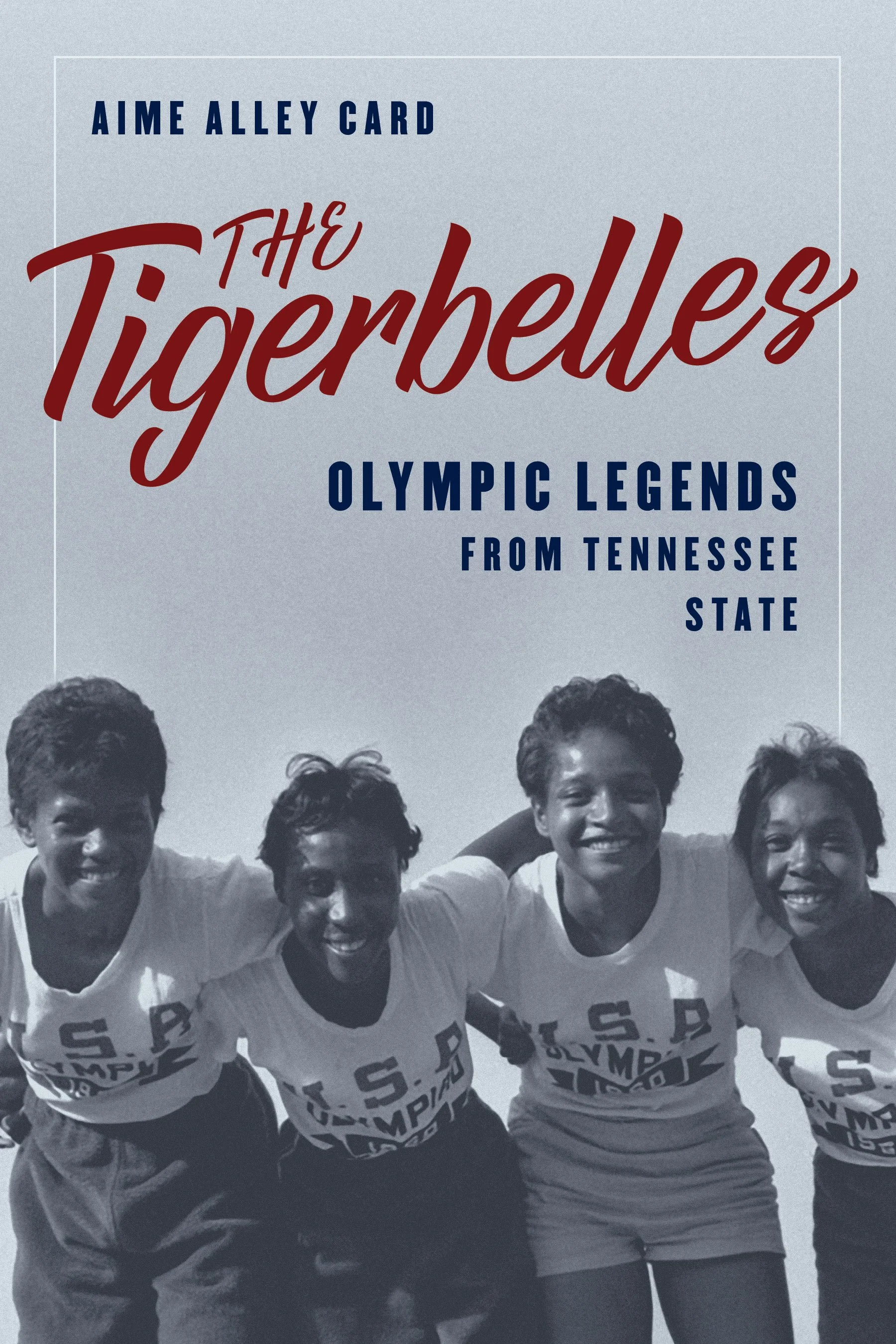
The Tigerbelles by Aime Alley Card
The Tigerbelles tells the epic story of the 1960 Tennessee State University all-Black women’s track team, which found Olympic glory at the 1960 games in Rome. Author Aime Alley Card tells an epic story of desire, success, and failure—of beating the odds—against the backdrop of a changing America. Readers will come to know the individuals’ unique struggles and triumphs, while also understanding how these dreams emerged and solidified just as the country was struggling to leave the Jim Crow era behind. Coach Edward Temple pushed each team member to the limit and saw the possibilities in them that they often did not see themselves. The elite group of talent included Wilma Rudolph, Barbara Jones, Lucinda Williams, Martha Hudson, Willye B. White, and Shirley Crowder: women who once were and should still be known worldwide.
Ultimately the team’s drive was for more than medals. Coach Temple and the Tigerbelles wanted to change the world's perception of what this group of young women were capable of. The Tigerbellesis a multilayered inspirational tale of triumph over adversity. Operating on a shoestring budget and pitted dirt track, they nevertheless shared a common goal: to represent the USA in track and field. The arc of their story starts with the origins of the team in Nashville, continues through the Olympics in Rome in the early fall of 1960, and focus on the achievement of an entire team of women, highlighting not only their character and talent but also the relationships between them that helped propel them to their ultimate success. Based on memoirs and interviews with team members, including Coach Temple, this is the story of an impossible dream come true.
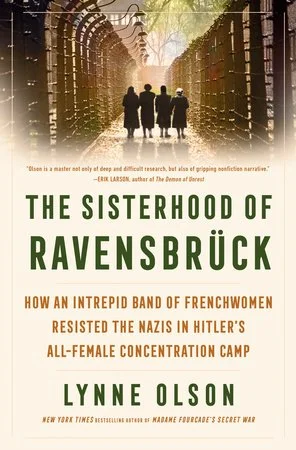
The Sisterhood of Ravensbruck by Lynne Olson
For decades after World War II, histories of the French Resistance were written almost exclusively by men and largely ignored the contributions of women. Many current overviews of the subject continue to underplay the extent and importance of women’s participation in the Resistance, treating the subject, in the words of one historian, as ‘an anonymous background element in an essentially male story’.
The Sisterhood of Ravensbrück corrects that omission, surveying the bond between four women — Germaine Tillion, Anise Girard, Genevieve de Gaulle, and Jacqueline d’Alincourt — who fought valiantly against Nazi oppression. While the women belonged to different Resistance movements and networks, they were united by a common they were arrested by the Gestapo, underwent merciless interrogations and beatings, were jailed — and, most significantly, survived, if just barely, the hell of Ravensbrück, the only concentration camp designed specifically for women. In an institution designed to dehumanise and kill, the sisterhood maintained their sense of self and joined together to face down death.
Remarkably, in the aftermath of World War II, the women once again joined forces to find a way to transcend the horrors of the war and turn it into something good for themselves and the world. The Sisterhood of Ravensbrück is an illuminating, inspiring account.
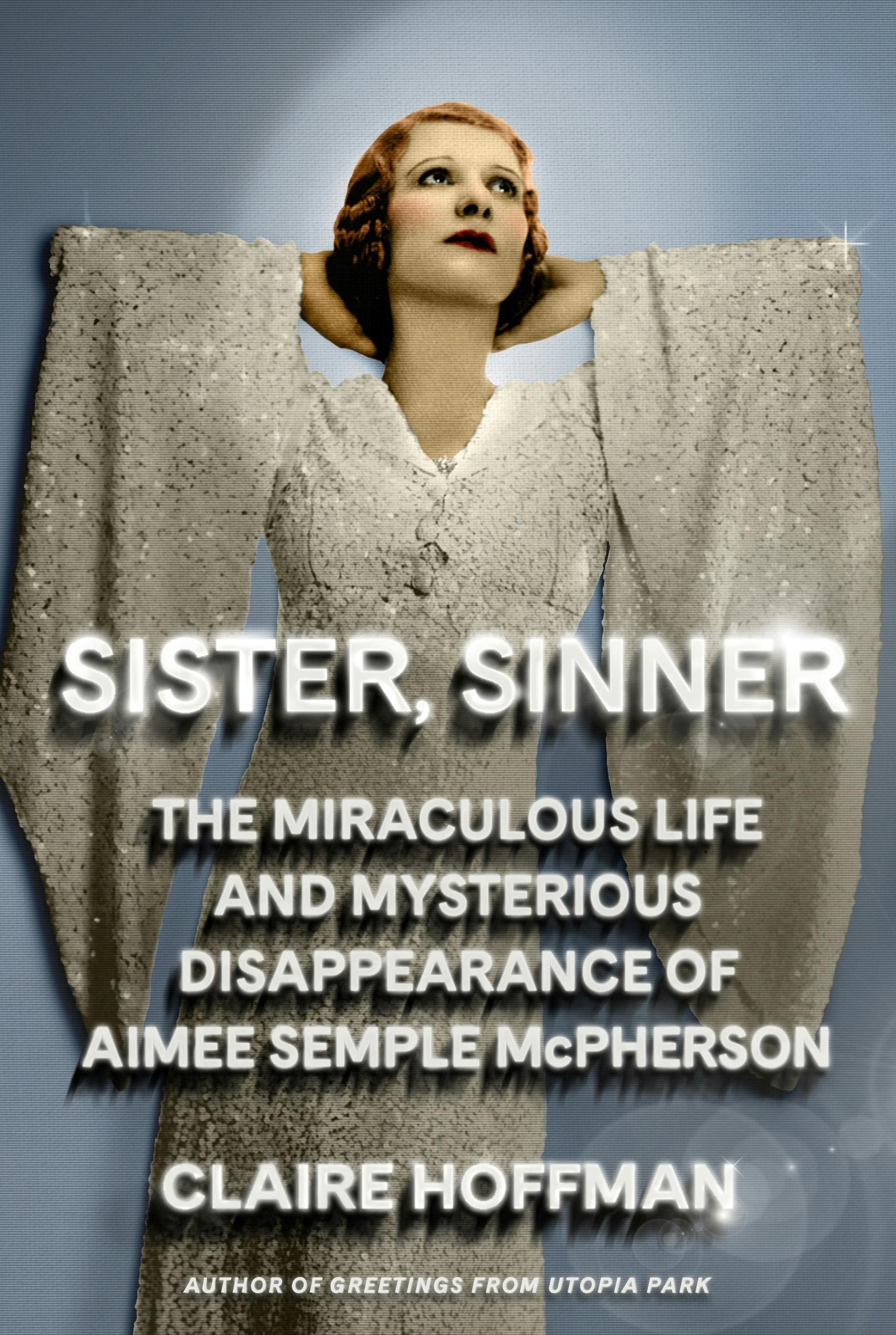
Sister, Sinner by Claire Hoffman
On a spring day in 1926, Aimee Semple McPherson wandered into the Pacific Ocean and vanished. Weeks later she reappeared in the desert, claiming to have been kidnapped. A national media frenzy and months of investigation ensued. Who was this woman?
America’s most famous evangelist, McPherson was a sophisticated marketer who used spectacle, storytelling, and the newest technology—including her own radio station—to bring God’s message to the masses. Her innovations brought Pentecostalism into the mainstream, paved the way for televangelists, and shaped the future of American Christianity. Her Angelus Temple in Echo Park, Los Angeles, can be called the first megachurch. Her Foursquare Church continues, with more than eight million faithful around the world.
But after her disappearance, as crowds gathered at the water’s edge, people Was McPherson everybody’s saintly sister, or a con-artist sinner? The story of what happened next—sex scandals, religious persecution, legal shenanigans, the seemingly unshakable faith of thousands of followers, and the race to cover it all—runs through the center of Claire Hoffman’s thrilling Sister, Sinner.
A riveting journey into the rise of popular religion in America and life in early Hollywood, and told with the flavor of the period's noir mysteries, this is an unforgettable story of an iconic woman, largely overlooked, who changed the world.
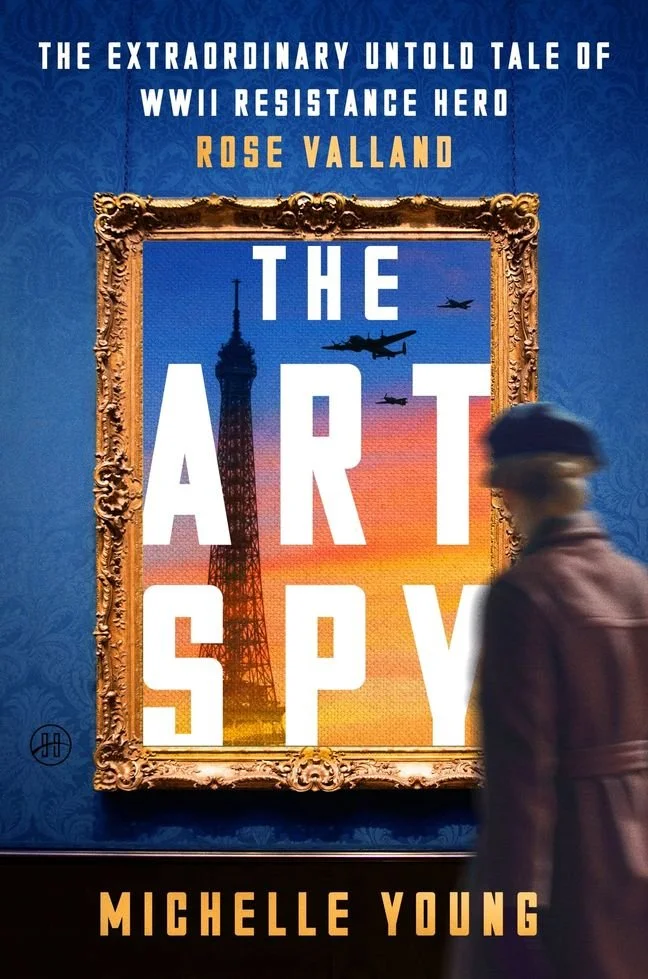
The Art Spy by Michelle Young
On August 25, 1944, Rose Valland, a woman of quiet daring, found herself in a desperate position. From the windows of her beloved Jeu de Paume museum, where she had worked and ultimately spied, she could see the battle to liberate Paris thundering around her. The Jeu de Paume, co-opted by Nazi leadership, was now the Germans’ final line of defense. Would the museum curator be killed before she could tell the truth—a story that would mean nothing less than saving humanity’s cultural inheritance?
Based on troves of previously undiscovered documents, The Art Spy chronicles the brave actions of the key Resistance spy in the heart of the Nazi’s art looting headquarters in the French capital. A veritable female Monuments Man, Valland has, until now, been written out of the annals, despite bearing witness to history’s largest art theft. While Hitler was amassing stolen art for his future Führermuseum, Valland, his undercover adversary, secretly worked to stop him.
At every stage of World War II, Valland was front and center. She came face to face with Reichsmarschall Hermann Göring, passed crucial information to the Resistance network, put herself deliberately in harm’s way to protect the museum and her staff, and faced death during the last hours of Liberation Day.
At the same time, a young Free French soldier, Alexandre Rosenberg , was fighting his way to Paris with the Allied forces battling to liberate France. Alexandre's father was the exclusive art dealer for Picasso, Matisse, George Braque, and Fernand Léger. The Nazis had taken everything from their family—their art collection, their nationality, their gallery, and their home in Paris.
Vivid and atmospheric, The Art Spy moves from the glittering days of pre-War Paris, home to geniuses of modern culture, including Picasso, Josephine Baker, Coco Chanel, Le Corbusier, and Frida Kahlo, through the tension-riddled cities and resorts of Europe on the eve of war, to the harrowing years of the Nazi occupation of France when brave people such as Valland and Rosenberg risked everything to fight monstrous evil.
Written by Carlie Renee